

Best Physiotherapy at Home – Expert Care at Your Doorstep
Physiotherapy is essential for many individuals recovering from injuries, surgeries, or managing chronic conditions. For those who find it challenging to visit a clinic, home physiotherapy services offer a convenient and effective solution. Here’s why opting for physiotherapy at home can be beneficial and what to expect from expert care at your doorstep.
What is At-Home Physiotherapy?
At-home physiotherapy involves a licensed physiotherapist providing treatment in the patient’s home. This service caters to those who find it challenging to visit a clinic due to mobility issues, time constraints, or preference for a more personalized approach. It mirrors traditional physiotherapy but takes place in a familiar and comfortable environment.
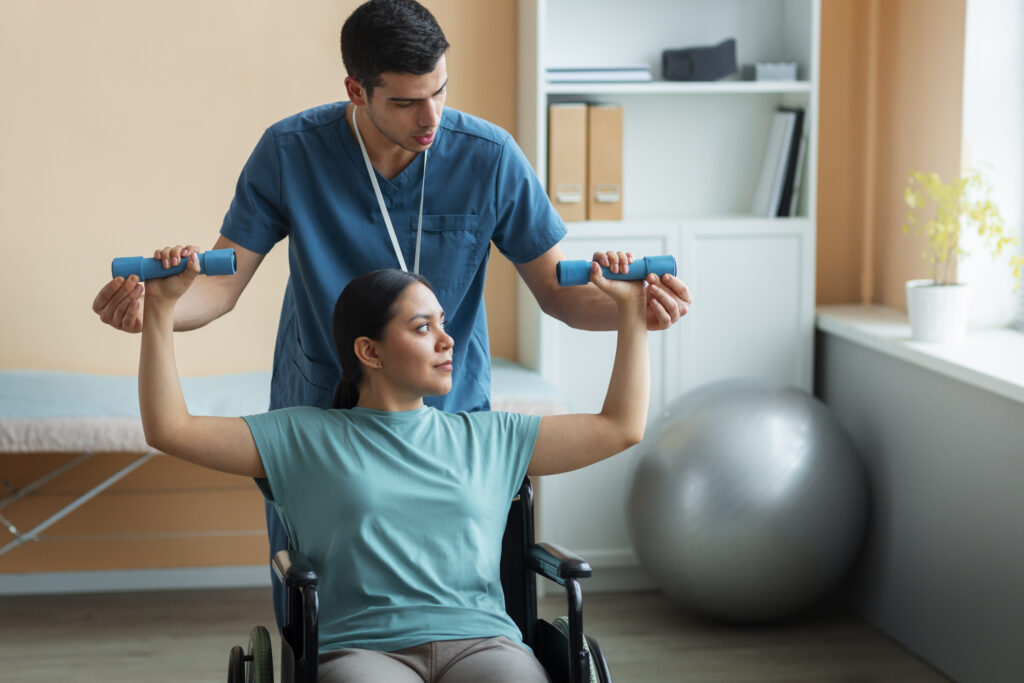
Benefits of Physiotherapy at Home
1. Convenience and Comfort
Receiving physiotherapy at home eliminates the need for travel, making it easier for individuals with mobility issues, busy schedules, or those recovering from surgery. Being in a familiar environment can also enhance comfort and reduce stress during treatment.
2. Personalized Care
Home physiotherapy allows for a more personalized approach. Therapists can tailor exercises and treatments to fit the patient’s home environment, making it easier to incorporate therapy into daily routines. This personalized attention can lead to better outcomes and quicker recovery times.
3. Enhanced Safety
For individuals at higher risk of infections or those with weakened immune systems, staying at home can reduce exposure to pathogens found in clinical settings. Home visits by physiotherapists ensure that necessary precautions are taken to maintain a safe and clean environment.
4. Increased Family Involvement
Having therapy sessions at home allows family members to be more involved in the treatment process. This can provide additional support and encouragement for the patient, which is crucial for motivation and adherence to the therapy plan.
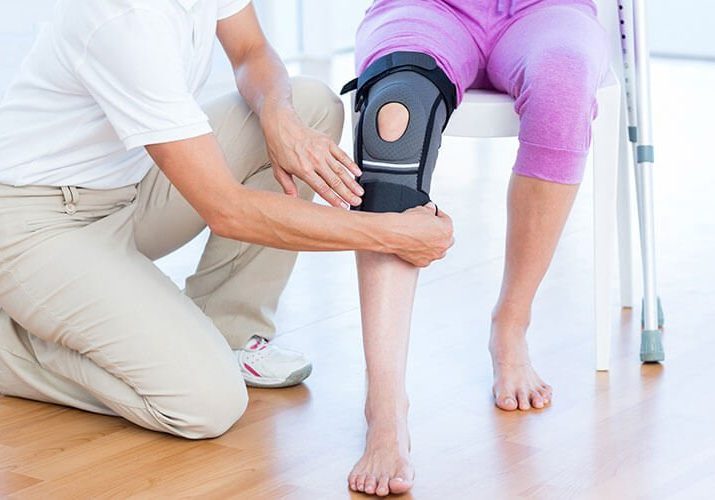
Who Can Benefit from At-Home Physiotherapy?
Elderly Individuals
Older adults who may struggle with mobility issues or chronic conditions can greatly benefit from at-home physiotherapy. It provides them with the necessary care without the need to leave their homes.
Post-Surgery Patients
Patients recovering from surgery often require intensive physiotherapy. At-home services ensure they receive the required treatment without risking complications associated with travel.
Chronic Pain Sufferers
Individuals with chronic pain conditions, such as arthritis or fibromyalgia, can manage their symptoms more effectively with regular at-home physiotherapy sessions.
Individuals with Mobility Issues
For those with severe mobility issues, at-home physiotherapy is a lifeline, allowing them to receive essential care without the challenges of traveling to a clinic.

What to Expect from Home Physiotherapy Services
Initial Assessment
Your first session will typically involve a thorough assessment by the physiotherapist. They will review your medical history, discuss your symptoms, and evaluate your physical condition. This helps in creating a customized treatment plan tailored to your specific needs.
Treatment Plan
Based on the assessment, the physiotherapist will develop a treatment plan that may include a combination of exercises, manual therapy, and use of equipment. They will guide you through each exercise, ensuring proper form and technique to maximize effectiveness and prevent injury.
Progress Monitoring
Regular sessions will involve monitoring your progress and adjusting the treatment plan as needed. The physiotherapist will track improvements in your mobility, strength, and pain levels, making modifications to exercises and techniques to ensure continuous progress.
Education and Support
A significant aspect of physiotherapy is educating patients about their conditions and the importance of maintaining an active lifestyle. Your physiotherapist will provide valuable insights and strategies to manage your condition effectively and prevent future issues.
Use of Technology
Many home physiotherapy services incorporate technology to enhance treatment. This may include telehealth sessions, mobile apps for exercise guidance, and wearable devices to track progress. Technology can ensure that you stay connected with your therapist between visits and receive real-time feedback on your performance.

Types of Physiotherapy Services Offered at Home
Orthopedic Physiotherapy
Focused on musculoskeletal issues, orthopedic physiotherapy helps patients recover from injuries, surgeries, or conditions affecting the bones, joints, and muscles.
Neurological Physiotherapy
This type of physiotherapy addresses neurological disorders such as stroke, multiple sclerosis, and Parkinson’s disease, helping patients improve their motor functions and quality of life.
Pediatric Physiotherapy
Children with developmental delays, congenital conditions, or injuries can benefit from at-home pediatric physiotherapy, which is tailored to their unique needs.
Geriatric Physiotherapy
Geriatric physiotherapy focuses on the elderly, addressing age-related issues like balance problems, arthritis, and general mobility challenges.

How to Choose the Best At-Home Physiotherapy Service
Qualifications of Physiotherapists
Ensure the physiotherapists are licensed and have the necessary qualifications. They should also have experience in providing at-home care.
Range of Services
Choose a service that offers a broad range of physiotherapy treatments to address various needs and conditions.
Patient Reviews and Testimonials
Look for reviews and testimonials from previous patients. Positive feedback can indicate the quality of the service.
Availability and Flexibility
Select a service that offers flexible scheduling and can accommodate your specific timing needs.
What to Expect During an At-Home Physiotherapy Session
Initial Assessment
The first session typically involves an initial assessment where the physiotherapist evaluates your condition, medical history, and specific needs.
Treatment Plan
Based on the assessment, the physiotherapist will develop a personalized treatment plan, outlining the goals and the methods to achieve them.
Follow-Up Sessions
Regular follow-up sessions are scheduled to monitor progress, adjust the treatment plan if necessary, and ensure continuous improvement.
Common Techniques Used in At-Home Physiotherapy
Manual Therapy
This hands-on technique involves manipulating the muscles and joints to relieve pain and improve mobility.
Exercise Therapy
Exercise therapy includes specific exercises designed to improve strength, flexibility, and function.
Electrotherapy
Electrotherapy uses electrical impulses to reduce pain, improve circulation, and promote healing.
Hydrotherapy
If you have access to a pool, hydrotherapy can be part of your treatment, utilizing water resistance to enhance physical therapy exercises.
Role of Technology in At-Home Physiotherapy
Telehealth Consultations
Telehealth allows physiotherapists to conduct virtual consultations, providing guidance and support remotely.
Wearable Devices
Wearable devices can track physical activity, monitor progress, and provide data to physiotherapists for better treatment planning.
Mobile Apps for Exercise Guidance
Mobile apps offer exercise routines, reminders, and tracking features, helping patients stay on track with their therapy.
Tips for Maximizing the Benefits of At-Home Physiotherapy
Consistency and Commitment
Consistency is key to effective physiotherapy. Follow the treatment plan diligently and attend all scheduled sessions.
Clear Communication with the Physiotherapist
Maintain open and clear communication with your physiotherapist. Discuss any concerns or changes in your condition promptly.
Creating a Conducive Environment for Therapy
Set up a dedicated space for physiotherapy sessions. Ensure it’s quiet, spacious, and free from distractions.
Success Stories
Case Studies of Patients Who Benefited
Many patients have experienced significant improvements through at-home physiotherapy. For instance, elderly patients recovering from hip replacements often regain their mobility faster with personalized home care.
Testimonials from Satisfied Patients
Satisfied patients frequently highlight the convenience, personalized attention, and effective outcomes of at-home physiotherapy. Their stories can be encouraging for new patients.
Challenges and Solutions in At-Home Physiotherapy
Common Challenges Faced
Challenges such as limited space, distractions at home, and lack of specialized equipment can arise.
Effective Solutions and Strategies
Solutions include creating a dedicated therapy space, minimizing distractions, and using portable equipment. Physiotherapists can also adapt techniques to fit the home setting.
Cost of At-Home Physiotherapy
Factors Affecting the Cost
The cost of at-home physiotherapy can vary based on factors like location, the therapist’s experience, and the duration and frequency of sessions.
Comparing with In-Clinic Physiotherapy Costs
While at-home physiotherapy might seem more expensive, it can be cost-effective when considering the savings on travel and the value of personalized care.
Insurance and Coverage Options
Check with your insurance provider to see if at-home physiotherapy is covered under your plan. Many providers are starting to include it as a covered service.
Future of At-Home Physiotherapy
Emerging Trends
Emerging trends include the integration of advanced technologies, such as AI and virtual reality, to enhance treatment outcomes.
Technological Advancements
Advancements in telehealth and wearable devices are making at-home physiotherapy more accessible and effective.
Predictions for the Industry
The industry is likely to grow, with more patients and healthcare providers recognizing the benefits of at-home physiotherapy.
Conclusion
At-home physiotherapy offers a convenient, personalized, and effective solution for individuals needing physical rehabilitation and pain management. Whether you are an elderly person, a post-surgery patient, or someone with chronic pain, at-home physiotherapy can cater to your needs in the comfort of your own home. As the healthcare landscape evolves, at-home physiotherapy is set to become an increasingly popular choice, combining the best of modern technology and personalized care.
FAQs
What equipment is needed for at-home physiotherapy? Basic equipment like exercise mats, resistance bands, and light weights are often used. Your physiotherapist may bring additional tools as needed.
How often should I have physiotherapy sessions? The frequency of sessions depends on your condition and treatment plan. Typically, patients have sessions 1-3 times per week.
Can children benefit from at-home physiotherapy? Yes, children with developmental delays, injuries, or congenital conditions can benefit from personalized at-home physiotherapy.
How do I know if my physiotherapist is qualified? Ensure your physiotherapist is licensed and check their credentials and experience. Reviews and testimonials can also provide insights.
Is at-home physiotherapy covered by insurance? Many insurance plans now cover at-home physiotherapy, but it’s best to check with your provider for specific coverage details.